Skip over navigation


This problem invites you to consider some graphs showing data about the risk involved in travelling to school.
Before reading on, have a think about how risky you think travelling to and from school might be. How likely is it that you might be involved in a road accident?
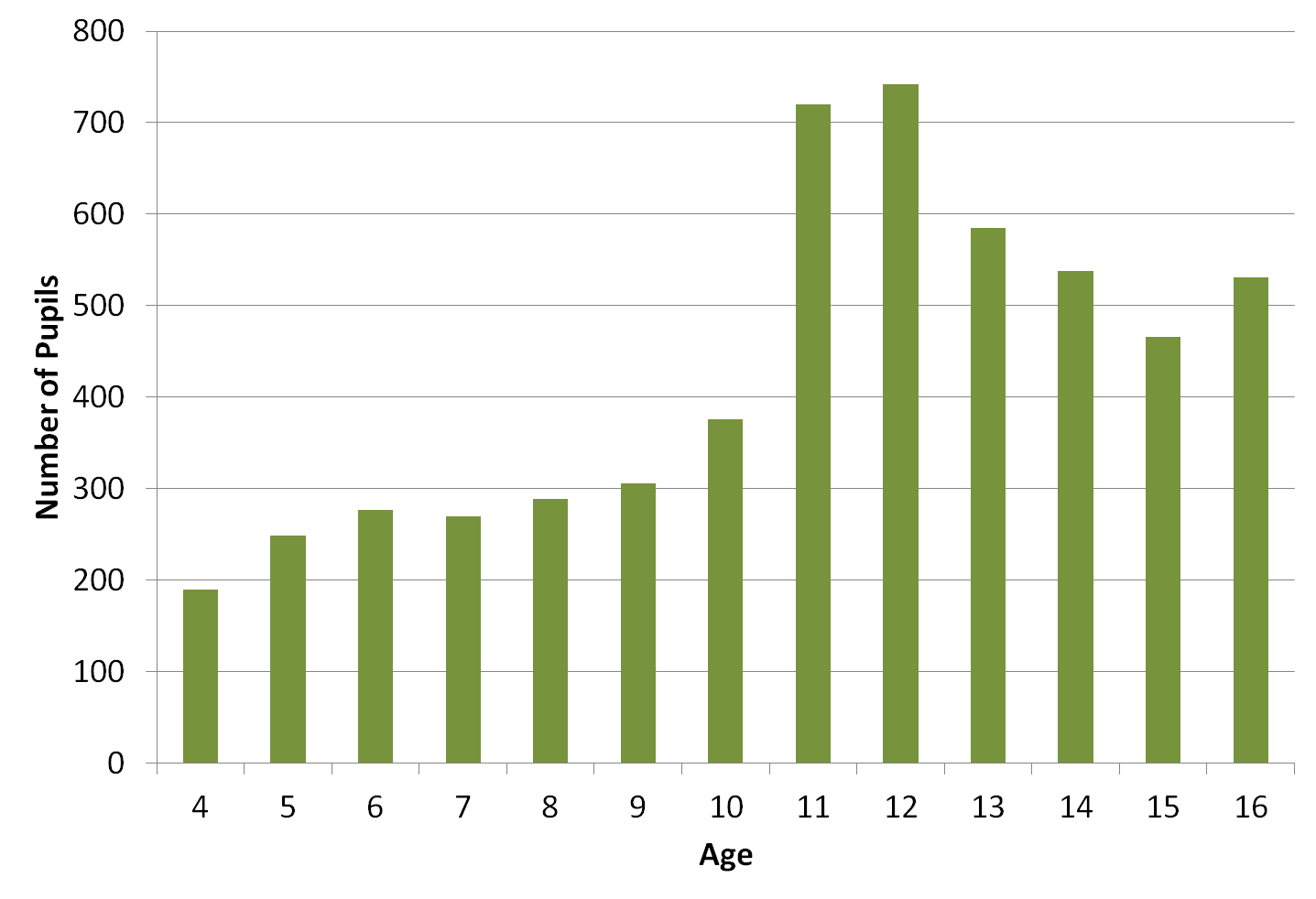
What are the key features of the graph?
Can you think of reasons why the graph might have the shape it does?
There are approximately 750,000 pupils in each year group.
How do these statistics affect your perception of the risk of travelling to school?
Graph of the numbers of pupils on the way to or from school involved in road accidents in 2014 by gender
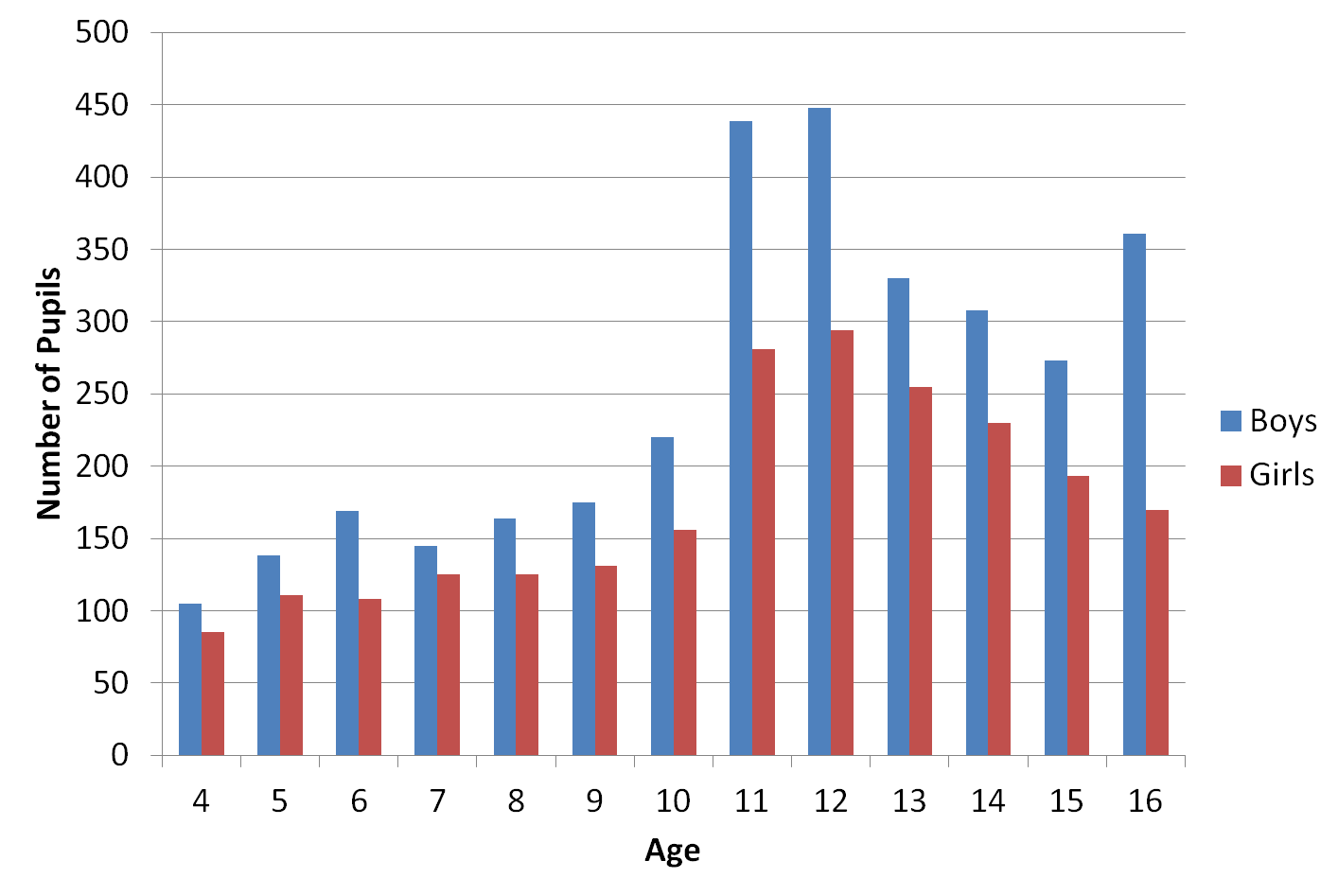
How do the graphs for boys and girls compare?
Can you think of any explanations for what you've observed?
Graph of the numbers of pupils on the way to or from school involved in road accidents in 2014 by mode of transport
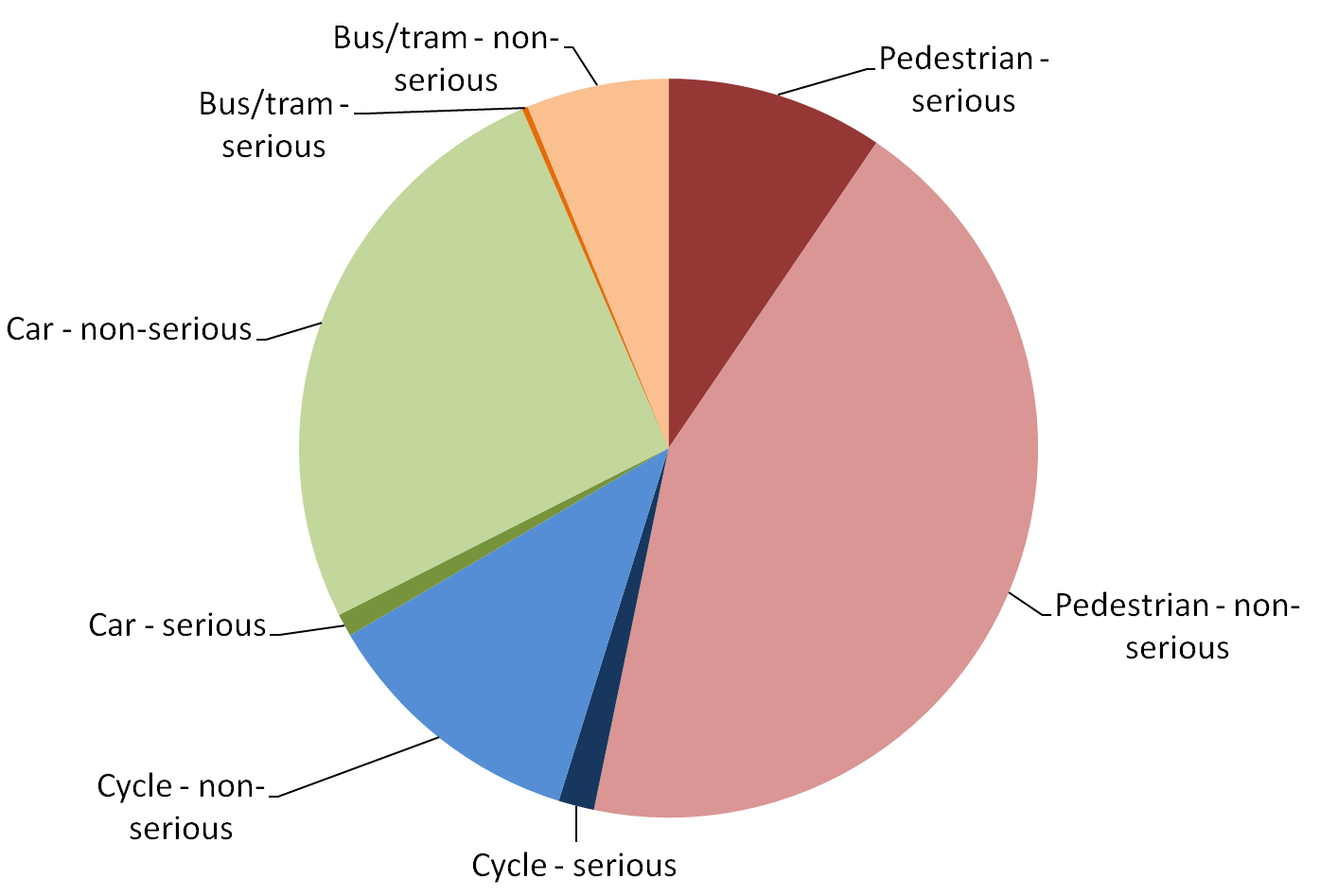
The table below shows the percentage of pupils who travel to school by different modes of transport.
What other factors might there be that affect how much risk is assosciated with the different modes of transport?
Why might people choose to use modes of transport even though they are more risky?
Understanding Uncertainty, Professor Spiegelhalter's website, has lots of articles about probability and risk that you might find interesting. There are some suggestions below, but there's lots more you can explore.


Journey to School
Age 11 to 16
Challenge Level 

This resource is part of the collection Should I Risk It?
This problem invites you to consider some graphs showing data about the risk involved in travelling to school.
Before reading on, have a think about how risky you think travelling to and from school might be. How likely is it that you might be involved in a road accident?
Graph of the numbers of pupils on the way to or from school involved in road accidents in 2014
What are the key features of the graph?
Can you think of reasons why the graph might have the shape it does?
There are approximately 750,000 pupils in each year group.
How do these statistics affect your perception of the risk of travelling to school?
Graph of the numbers of pupils on the way to or from school involved in road accidents in 2014 by gender
How do the graphs for boys and girls compare?
Can you think of any explanations for what you've observed?
Graph of the numbers of pupils on the way to or from school involved in road accidents in 2014 by mode of transport
What does this graph suggest are the most and least safe modes of transport?
What other information might you want to know in order to make an informed decision about the safety of different modes of transport?
Click below to see some potentially useful information.
What other information might you want to know in order to make an informed decision about the safety of different modes of transport?
Click below to see some potentially useful information.
The table below shows the percentage of pupils who travel to school by different modes of transport.
| Mode of Transport | Percentage Use |
| Walking | 42% |
| Cycling | 2% |
| Car | 35% |
| Bus/tram | 21% |
How does this information affect which mode of transport you would regard as the highest risk?
What other factors might there be that affect how much risk is assosciated with the different modes of transport?
Why might people choose to use modes of transport even though they are more risky?
Understanding Uncertainty, Professor Spiegelhalter's website, has lots of articles about probability and risk that you might find interesting. There are some suggestions below, but there's lots more you can explore.
You may also like

Winning Team
Nine cross country runners compete in a team competition in which there are three matches. If you were a judge how would you decide who would win?
Not Necessarily in That Order
Baker, Cooper, Jones and Smith are four people whose occupations are teacher, welder, mechanic and programmer, but not necessarily in that order. What is each person’s occupation?